
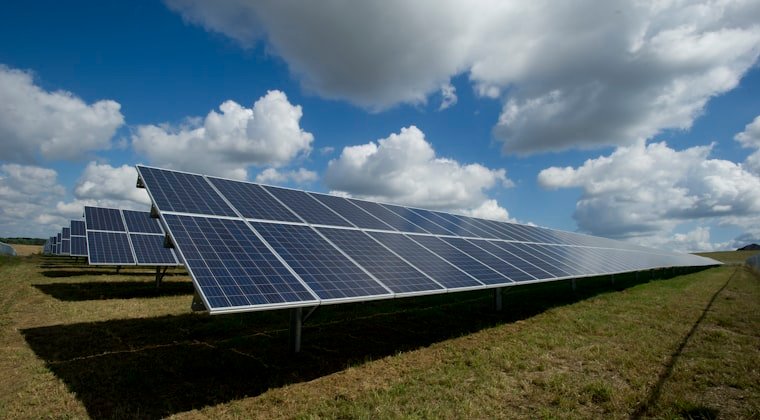
Solar Subsidy in Haryana 2026: UHBVN and DHBVN Consumer Guide
Haryana is one of the more active states under the PM Surya Ghar scheme, with both central and state-level initiatives supporting residential rooftop solar. The state benefits from strong solar irradiance, particularly in the summer months, and both DISCOMs, UHBVN and DHBVN, have been working to simplify net metering processes. For homeowners in Gurugram, Faridabad, Ambala, Hisar, or any other part of Haryana, this guide covers the full subsidy picture.
What subsidies are available in Haryana in 2026?
Central government subsidy under PM Surya Ghar Muft Bijli Yojana
| System size | Central subsidy |
|---|---|
| Up to 2 kW | Rs 30,000 per kW (up to Rs 60,000) |
| 2 kW to 3 kW | Rs 78,000 total |
| Above 3 kW | Capped at Rs 78,000 |
HAREDA and state-level support
HAREDA (Haryana Renewable Energy Development Agency) is the state nodal agency for solar in Haryana. Haryana has been active in promoting rooftop solar through state-level schemes that can provide additional benefits on top of the central subsidy. Check hareda.gov.in for the current 2026 state scheme status and any additional incentives applicable to residential consumers.
Note: State scheme amounts and eligibility are subject to annual revision. Always verify at hareda.gov.in before signing any installer contract.
Haryana’s two DISCOMs
UHBVN (Uttar Haryana Bijli Vitran Nigam): Covers northern and central Haryana including Ambala, Kurukshetra, Karnal, Panipat, Sonipat, Rohtak, Jhajjar, and parts of NCR bordering Delhi.
DHBVN (Dakshin Haryana Bijli Vitran Nigam): Covers southern Haryana including Gurugram, Faridabad, Palwal, Mewat (Nuh), Rewari, Mahendragarh, Bhiwani, Hisar, Sirsa, Fatehabad, and Jind.
Your electricity bill clearly states which DISCOM serves your connection. In the Gurugram area, DHBVN is the primary distributor, though some areas may be served by private licensees. Verify from your bill.
Solar potential in Haryana
Haryana receives average solar irradiance of 5.2 to 5.8 kWh per square metre per day. The state has hot, clear summers with long sunshine hours, making summer generation particularly strong.
A 3 kW system in Gurugram or Faridabad typically generates 380 to 440 units per month in peak summer. Monsoon months (July to September) see reduced generation. Winter months have shorter daylight hours but clear skies, giving moderate generation.
The Haryana corridor adjoining Delhi NCR benefits from a well-developed solar installer market, with competitive pricing and good product availability.
Who is eligible?
To qualify for the central PM Surya Ghar subsidy in Haryana:
- You must own a residential property with an active domestic connection from UHBVN or DHBVN
- Installation must be by a vendor registered on the PM Surya Ghar national portal
- Feasibility approval must be obtained before installation
- The property must not have previously received a central rooftop solar subsidy
Consumers in Gurugram’s private developer townships or gated communities sometimes have electricity supply through private management companies rather than directly from DHBVN. If your bill does not come from UHBVN or DHBVN directly, check with your housing society about the solar application process for your specific arrangement.
How net metering works in Haryana
Net metering in Haryana is governed by the Haryana Electricity Regulatory Commission (HERC). Both UHBVN and DHBVN follow the same regulatory framework.
Surplus solar generation is exported to the grid and credited against your consumption. Monthly surplus credits carry forward. At annual settlement, any remaining export surplus is compensated at a rate set by HERC.
Net meter installation timelines in Haryana have been improving but remain variable. Gurugram and Faridabad under DHBVN tend to see faster processing than smaller towns. Budget 4 to 8 weeks for net meter installation and follow up proactively with your divisional office.
How to apply: step-by-step
Step 1: Register on the PM Surya Ghar portal
Go to pmsuryaghar.gov.in. Register with your mobile number and consumer number from your electricity bill. Select Haryana and your DISCOM (UHBVN or DHBVN).
Step 2: Apply for feasibility approval
Submit your rooftop solar application. Your DISCOM reviews and confirms technical suitability. This takes 7 to 15 working days in urban areas.
Do not proceed with installation before approval.
Step 3: Select a registered installer
Haryana, particularly the Gurugram-Faridabad corridor, has a strong registered installer presence. Get three quotes minimum. Prices in the NCR-adjacent areas are competitive given installer density.
Step 4: Net meter installation
After installation, your installer files for net meter replacement. Follow up with your DISCOM’s solar helpdesk after 3 weeks if no technician has visited. HAREDA can also assist with escalations.
Step 5: Commissioning certificate and subsidy claim
Upload the certificate and bank details to the portal. Central subsidy reaches your account within 30 to 60 days.
What does solar cost in Haryana after subsidy?
A fully installed 3 kW system in Haryana costs approximately Rs 1.4 lakh to Rs 1.85 lakh before subsidy. After the Rs 78,000 central subsidy, net cost is roughly Rs 65,000 to Rs 1.05 lakh.
Monthly savings for a Gurugram household consuming 400 units are typically Rs 2,500 to Rs 3,500. Payback period is generally 3 to 5 years given strong summer generation.
System sizing for Haryana households
| Monthly consumption | Recommended size |
|---|---|
| Below 200 units | 1 to 2 kW |
| 200 to 400 units | 2 to 3 kW |
| 400 to 600 units | 3 to 5 kW |
| Above 600 units | 5 kW and above |
Common questions
Is the solar process different for Gurugram’s gated communities?
Many Gurugram developments have their own internal electricity networks managed by RWAs or facility management companies, fed from DHBVN at a bulk connection point. In this case, individual flat owners may not have a direct DHBVN consumer number. The solar and net metering process in these situations requires coordination with the RWA. Check your electricity bill’s issuing entity before starting.
Does Haryana have additional incentives for solar water heaters?
HAREDA runs a separate scheme for solar water heating systems, which is distinct from the PM Surya Ghar scheme for solar PV. If you are interested in both, they are separate applications with different eligibility criteria.
Can I get a solar loan through Haryana government schemes?
Banks and financial institutions offer solar loans under PM Surya Ghar, and HAREDA sometimes facilitates access to concessional financing. Check hareda.gov.in for any active loan facilitation schemes.
Summing up
Haryana’s strong summer solar irradiance, improving DISCOM processes, and both central and potential state subsidies make it a good environment for residential rooftop solar. Gurugram and Faridabad consumers in particular benefit from a competitive installer market and relatively efficient DHBVN processing.
Start at pmsuryaghar.gov.in, confirm your DISCOM from your electricity bill, and submit your feasibility application before approaching any installer.
Free. Koi signup nahi. Real numbers.