On-Grid Solar vs Battery Storage in India 2026: Cost Comparison and Which Is Right for You
👤 SolarSahi Team 📅 April 2026 🔄 Regular updates ✓ Market verified
🔋Battery addsRs 40,000-1,20,000
⚡On-grid payback4-6 years
🔋Battery payback7-10 years
🏆Subsidy eligibleOn-grid only
🌙Battery benefitPower cut backup
What the two options actually mean
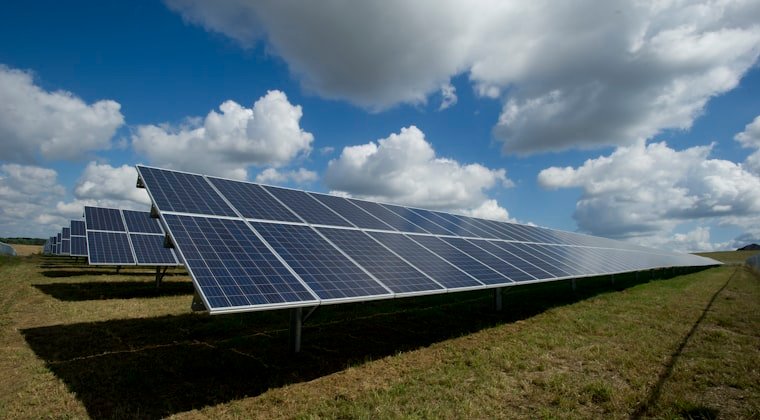
On-grid solar connects your rooftop panels directly to the DISCOM grid. During the day you use solar power first, export the surplus to the grid via net metering, and at night you draw from the grid. No battery involved. If the grid fails, an on-grid system automatically shuts down for safety reasons. You get no power during outages even with panels on your roof.
Battery storage (also called hybrid solar) adds a battery bank to your system. Surplus solar charges the battery during the day. At night or during power cuts, the battery powers your home. You are less dependent on the grid. However, the battery adds significant cost and has a limited lifespan of 5 to 10 years before replacement is needed.
Direct cost comparison: on-grid vs battery for a 3 kW system
Cost Item
On-Grid Solar (3 kW)
Hybrid with Battery (3 kW + 5 kWh battery)
System installation cost
Rs 1,20,000-1,50,000
Rs 1,80,000-2,20,000
Battery cost (5 kWh lithium)
Not applicable
Rs 60,000-1,20,000
PM Surya Ghar subsidy
Up to Rs 78,000
Up to Rs 78,000 (on solar, not battery)
Net cost after subsidy
Rs 42,000-72,000
Rs 1,62,000-2,62,000
Typical payback period
4-6 years
7-10 years
Battery replacement (5-8 years)
Not applicable
Rs 50,000-1,00,000 additional
💡
For most homeowners in cities with reliable grid supply (less than 2 hours of cuts per day), on-grid solar offers significantly better financial returns. Battery storage makes sense where power cuts exceed 4-6 hours daily or where grid reliability is truly poor.
SolarSahi analysis · April 2026
When battery storage makes sense: an honest guide
Battery storage is frequently oversold. For most urban North Indian homes with reasonably reliable grid supply, a battery adds cost and complexity without proportional benefit. But there are genuine situations where it is the right choice.
✅
More than 4 hours of cuts dailyIf you face frequent long power cuts, battery storage pays back faster and the lifestyle benefit is real.
✅
Work from home with no inverterBattery solar eliminates dependence on both grid and generator. One system for all backup needs.
✅
Rural areas with poor grid reliabilityWhere grid is unreliable for hours at a time, battery makes the system much more useful day-to-day.
❌
City home with stable gridBattery payback is poor if grid cuts are under 1-2 hours. Net metering makes on-grid the better financial choice.
❌
Small budget, priority on ROIBattery doubles or triples the net cost. If fast payback matters, start with on-grid and add battery later if needed.
❌
Primarily night-time electricity usersBattery helps but a bigger panel array with on-grid net metering usually gives better overall returns.
Battery types available in India and their costs
Not all batteries are equal. The most common options for residential solar storage in India in 2026:
Count your daily power cut hoursTrack for 30 days. Under 2 hours: on-grid is almost certainly better. Over 4 hours daily: battery storage starts making financial and practical sense.
2
Calculate your subsidy eligibility firstPM Surya Ghar subsidy applies to the solar component only, not the battery. Factor the Rs 78,000 subsidy into your on-grid cost but not into battery cost when comparing.
3
Consider starting on-grid and adding battery laterMost hybrid systems can have battery added later. Start with on-grid, get the subsidy, benefit from net metering, and add battery in 2-3 years as battery prices continue falling.
4
Get quotes for both configurationsAsk your shortlisted installer for quotes for both on-grid and hybrid. Compare the payback difference and decide based on your actual power cut situation, not marketing claims.
Frequently asked questions
Does on-grid solar work during power cuts?
No. On-grid solar systems automatically shut down during grid outages for safety reasons, a requirement called anti-islanding protection. Even with panels on your roof generating power, you get no electricity during a power cut without a battery. If power backup during cuts is important, you need a hybrid or off-grid system.
Is battery storage eligible for PM Surya Ghar subsidy?
No. The PM Surya Ghar subsidy applies to the solar panel system only, not to the battery storage component. You can claim subsidy on the solar portion of a hybrid installation, but the battery cost is entirely your own. This significantly affects the payback calculation for battery storage systems.
Can I add a battery to my on-grid system later?
Yes, in most cases. If your inverter is a hybrid-compatible model, a battery can be added later without replacing the entire system. If your existing inverter is a standard string inverter, you may need a battery-compatible inverter change. Ask your installer at the time of installation whether the system is battery-ready for future upgrade.
How long does a solar battery last before replacement?
Lead-acid batteries last 3 to 5 years with regular maintenance. Lithium Iron Phosphate (LiFePO4) batteries last 8 to 12 years and are maintenance-free. The battery replacement cost must be included when calculating the true lifetime ROI of a battery storage system.
Which is better for Jaipur or Lucknow homeowners: on-grid or battery?
For most urban Jaipur and Lucknow homes where grid supply is 20 to 22 hours per day, on-grid solar with net metering is the better financial decision. The payback is 4 to 5 years versus 7 to 10 years with battery. Consider battery only if your area sees more than 4 to 6 hours of daily cuts consistently.
Apni solar savings calculate karoFree. Koi signup nahi. Real numbers.