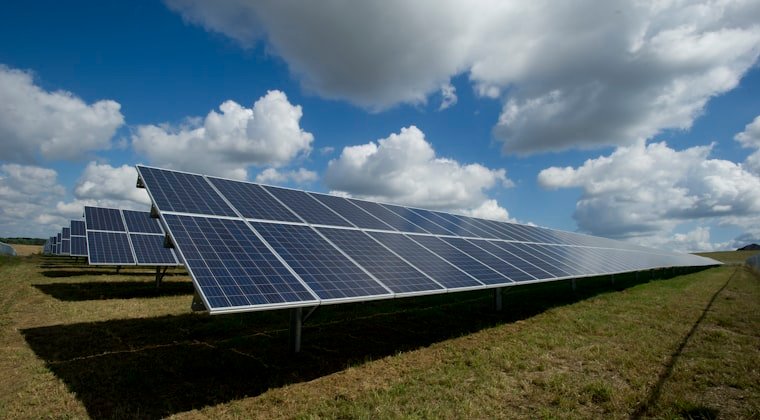
2 kW Solar System in India 2026: Cost, Monthly Output, Subsidy and Who Should Buy It
👤 SolarSahi Team 📅 April 2026 🔄 Regular updates ✓ Market verified
💰Installed costRs 85,000-1,10,000
🎯After subsidyRs 25,000-50,000 net
⚡Monthly generation180-240 units
📉Bill reduction60-80%
🏠Best for2-3 BHK, 150-250 units/month
Is 2 kW the right size for your home?
The 2 kW system is the most widely installed residential solar size in North India. It hits the sweet spot for homes consuming 150 to 250 units of electricity per month, which covers the majority of 2 and 3 BHK urban homes. If your monthly consumption is significantly lower or higher, a different size may serve you better.
✅
Monthly consumption 150-250 units2 kW generates 180-240 units per month in most North Indian cities.
✅
2-3 BHK home, average usage1 fridge, 4-6 fans, 1 AC used 4-6 hrs/day, LED lights.
✅
Roof area 18-22 sq. metres available2 kW needs approximately 20 sq.m. of shadow-free space.
❌
Monthly bill above Rs 3,000You likely need 3 kW or more to make a meaningful dent.
❌
2+ ACs running simultaneouslyHigh AC usage homes should model their peak load before settling on 2 kW.
❌
Monthly consumption below 100 unitsA 1 kW system is more cost-effective. 2 kW would generate more than you can use.
2 kW system cost in India: April 2026
Cost Component
Standard (Mono PERC)
Premium (TOPCon)
2 kW solar panels
Rs 44,000-52,000
Rs 56,000-72,000
2 kW string inverter
Rs 12,000-16,000
Rs 16,000-22,000
Mounting structure
Rs 6,000-9,000
Rs 8,000-12,000
Wiring, earthing, isolation switch
Rs 5,000-9,000
Rs 7,000-11,000
Installation labour + DISCOM
Rs 8,000-14,000
Rs 10,000-16,000
Total installed cost
Rs 75,000-1,00,000
Rs 97,000-1,33,000
PM Surya Ghar subsidy
Up to Rs 60,000
Up to Rs 60,000
Net cost after subsidy
Rs 15,000-40,000
Rs 37,000-73,000
💡
The 2 kW system is where the PM Surya Ghar subsidy has the most dramatic impact. A Rs 60,000 subsidy on a Rs 85,000 system means the net cost can be as low as Rs 25,000 for a homeowner in a high-sun city. At Rs 1,500-2,000 monthly savings, payback can be under 18 months on that net cost.
SolarSahi market data · April 2026
Monthly generation and savings: city-wise estimate
City
Monthly Generation
Monthly Bill Saving
Payback (after subsidy)
Jaipur
238-260 units
Rs 1,547-1,690
1.5-2 years
Delhi NCR
212-232 units
Rs 1,378-1,508
1.7-2.5 years
Lucknow
200-218 units
Rs 1,300-1,417
1.8-2.7 years
Agra
220-242 units
Rs 1,430-1,573
1.6-2.3 years
Chandigarh
205-224 units
Rs 1,333-1,456
1.7-2.5 years
2 kW vs 3 kW: which size is better for your home?
The most common question when sizing a residential solar system is whether to go for 2 kW or 3 kW. The answer depends on three factors: your current electricity consumption, available roof area, and budget after subsidy.
Factor
2 kW
3 kW
Monthly generation
180-240 units
270-360 units
Roof area needed
18-22 sq. metres
28-32 sq. metres
Government subsidy
Up to Rs 60,000
Up to Rs 78,000 (max)
Net cost after subsidy
Rs 25,000-50,000
Rs 42,000-72,000
Suitable for
150-250 units/month usage
250-400 units/month usage
If your monthly bill is under Rs 2,000 and consumption is under 200 units, 2 kW is sufficient and more cost-effective. If your consumption is higher, the 3 kW system captures the full PM Surya Ghar subsidy ceiling and generates proportionally more savings. The 3 kW system guide covers the larger option in full detail.
Frequently asked questions
What is the cost of a 2 kW solar system in India in 2026?
A fully installed 2 kW rooftop solar system costs Rs 85,000 to Rs 1,10,000 in most North Indian cities in April 2026. After the PM Surya Ghar subsidy of up to Rs 60,000, the net cost is Rs 25,000 to Rs 50,000. Premium TOPCon panel options are available at higher cost with slightly better efficiency.
How many units does a 2 kW solar system generate per month?
In North Indian cities, a 2 kW system generates approximately 180 to 240 units per month. High-sun cities like Jaipur generate closer to the upper end. Cities with more cloudy days or pollution like Delhi NCR generate toward the lower end. Actual output also depends on roof orientation, shading and panel cleaning frequency.
Is a 2 kW system enough to run an AC?
A 1.5 ton AC consumes approximately 1.3 to 1.7 kW when running. A 2 kW system can power one AC during peak solar hours along with basic loads. However, it cannot run AC plus full home load simultaneously. If you have heavy AC usage across multiple rooms, a 3 kW or larger system is more appropriate.
How much roof space does a 2 kW solar system need?
A 2 kW system requires approximately 18 to 22 square metres of shadow-free, south-facing roof area. This is the area covered by 6 to 8 standard 330-375 watt panels. The exact footprint depends on the panel wattage you choose. Higher wattage panels need fewer panels for the same capacity, reducing roof area slightly.
Should I choose 2 kW or wait and install 3 kW later?
If your consumption justifies 3 kW and you have the roof space, install 3 kW from the start. Adding capacity later is possible but involves additional DISCOM paperwork, potential additional subsidy application, and is more expensive per kW than installing the right size initially. The subsidy cap of Rs 78,000 at 3 kW is also worth capturing in one application.
Apni solar savings calculate karoFree. Koi signup nahi. Real numbers.