
Solar Payback Period in UP 2026: Real Numbers by City and System
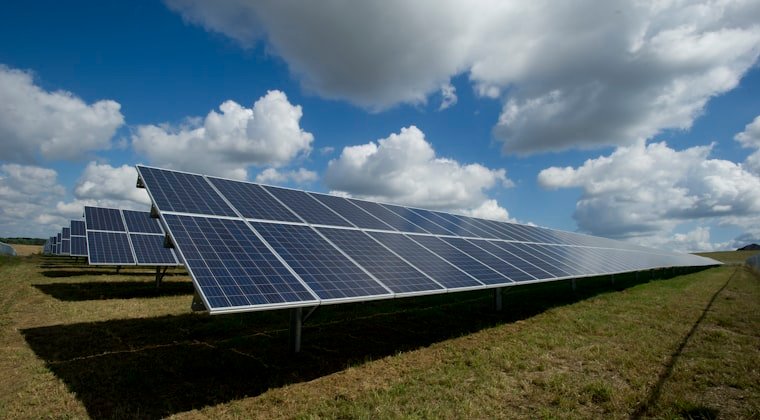
Payback period is the number that matters most to a homeowner evaluating solar. Not the wattage, not the efficiency rating. What matters is how many months or years before the investment pays for itself. In Uttar Pradesh, the combination of rising electricity tariffs, strong solar irradiation, and the highest combined subsidy in India (Rs 1,08,000 for 3 kW) creates payback periods that are among the fastest in the world for residential solar.
This article gives you real payback calculations, not marketing estimates, for the most common household profiles across UP’s major cities.
How Payback Period Is Calculated
The formula is simple: Net system cost ÷ Annual electricity savings = Payback period in years.
The variables that matter:
- Net system cost: Pre-subsidy cost minus Rs 1,08,000 subsidy (for 3 kW, the most common size)
- Annual electricity savings: Monthly units generated × 12 × your average tariff per unit
- Your tariff rate: Higher-slab consumers save more per unit eliminated: making solar even more attractive for higher-consumption households
UP Tariff Rates: Understanding Your Baseline
The blended tariff you pay to your DISCOM depends on your consumption level. Higher consumption pushes you into higher billing slabs with higher per-unit rates:
| Monthly Consumption | Approximate Blended Tariff (UP average) | Approximate Monthly Bill |
|---|---|---|
| 0-150 units | Rs 3.5-4.5/unit | Rs 525-675 |
| 151-300 units | Rs 5-6/unit | Rs 1,250-1,800 |
| 301-500 units | Rs 6.5-7.5/unit | Rs 2,275-3,750 |
| 501-700 units | Rs 7-8.5/unit | Rs 3,850-5,950 |
| Above 700 units | Rs 8-9.5/unit | Rs 5,600+ |
The higher your consumption, the better solar’s financial case. A household consuming 500 units/month at Rs 7.5/unit saves Rs 3,750/month from solar. A household consuming 200 units/month at Rs 5/unit saves only Rs 1,000/month. Both benefit from solar, but the payback is dramatically faster for the higher-consumption household.
Payback Period by City: 3kW System
These calculations use real 2026 market data: post-subsidy costs, solar irradiation data by city, and UP DISCOM average tariff rates.
Lucknow (LESA)
- Post-subsidy cost: Rs 82,000-95,000
- Monthly generation: 375-400 units
- Monthly saving (at Rs 7/unit blended): Rs 2,625-2,800
- Annual saving: Rs 31,500-33,600
- Payback period: 2.5-3.0 years
- 25-year total return: Rs 7.4-8.0 lakh on Rs 87,000 investment
Agra (DVVNL)
- Post-subsidy cost: Rs 78,000-95,000
- Monthly generation: 410-430 units (highest in UP due to superior irradiation)
- Monthly saving: Rs 2,870-3,010
- Annual saving: Rs 34,440-36,120
- Payback period: 2.2-2.7 years, fastest in UP
- 25-year total return: Rs 8.1-8.6 lakh on Rs 86,000 investment
Kanpur (KESCO)
- Post-subsidy cost: Rs 85,000-1,05,000
- Monthly generation: 355-380 units
- Monthly saving: Rs 2,485-2,660
- Annual saving: Rs 29,820-31,920
- Payback period: 2.8-3.5 years
- 25-year total return: Rs 7.1-7.6 lakh on Rs 95,000 investment
Varanasi (PuVVNL)
- Post-subsidy cost: Rs 80,000-1,00,000
- Monthly generation: 395-420 units
- Monthly saving: Rs 2,765-2,940
- Annual saving: Rs 33,180-35,280
- Payback period: 2.4-3.0 years
- 25-year total return: Rs 7.9-8.4 lakh on Rs 90,000 investment
Meerut (PVVNL)
- Post-subsidy cost: Rs 80,000-1,00,000
- Monthly generation: 360-385 units
- Monthly saving: Rs 2,520-2,695
- Annual saving: Rs 30,240-32,340
- Payback period: 2.5-3.3 years
- 25-year total return: Rs 7.2-7.7 lakh on Rs 90,000 investment
Ghaziabad (PVVNL)
- Post-subsidy cost: Rs 90,000-1,15,000
- Monthly generation: 360-385 units
- Monthly saving (slightly higher tariff due to NCR premium): Rs 2,700-3,000
- Annual saving: Rs 32,400-36,000
- Payback period: 2.5-3.5 years
- 25-year total return: Rs 7.7-8.6 lakh on Rs 1,02,000 investment
How Payback Improves With Rising Electricity Tariffs
UP electricity tariffs have increased by approximately 5-8% annually over the past 5 years. This tariff inflation makes solar an increasingly attractive investment with each passing year: because your annual saving grows as the tariff rises, even though your solar investment remains fixed.
Example: A 3 kW system in Lucknow saving Rs 32,000 annually today will save approximately Rs 40,000 annually in 5 years if tariffs rise 5% per year. The system cost does not change, but its financial return grows.
At 5% annual tariff growth, the 25-year cumulative electricity saving from a Rs 85,000 investment in Lucknow grows from Rs 8 lakh (at flat tariffs) to approximately Rs 10-11 lakh (with tariff escalation). This makes solar one of the highest real-return domestic investments available to UP homeowners.
What Happens After Payback: 20+ Years of Free Electricity
The payback period framing sometimes undersells the true return of solar. After your system pays for itself in 2.5-3.5 years, you continue generating electricity for another 21-22 years at near-zero marginal cost (panels are warranted for 25 years with 80-85% minimum output at year 25).
For a 3 kW system in Lucknow:
- Investment: Rs 87,000
- Years to payback: 2.7 years
- Remaining savings after payback: 22.3 years × Rs 32,000/year = Rs 7,13,600
- Total net return on Rs 87,000 investment over 25 years: approximately Rs 7,13,600
That represents an annualised return of approximately 21-25%: comparable to strong equity investments, but with no market risk.
5kW vs 3kW: Comparative Payback in UP
| Parameter | 3kW (Lucknow) | 5kW (Lucknow) |
|---|---|---|
| Post-subsidy cost | Rs 87,000 | Rs 1,97,000 |
| Annual saving | Rs 32,000 | Rs 51,000 |
| Payback period | 2.7 years | 3.9 years |
| Savings after payback (22+ years) | Rs 7,13,600 | Rs 10,71,000 |
Both are excellent investments. The 5 kW system delivers higher absolute lifetime returns but requires a larger upfront commitment and a longer payback period.
Factors That Can Shorten Your Payback Period
Choose self-consumption over export. Running your heavy appliances (AC, water heater, washing machine) during solar generation hours maximises the units you consume at Rs 7-8/unit rather than export at Rs 3-4/unit: effectively doubling the financial value of those generated units.
Install in April-May. The strongest generation months are April-June. Starting your billing clock in April means your first 3 months generate maximum savings, accelerating the psychological and financial payback.
Select the right system size. Installing a 3 kW system when your actual need is 4 kW leaves Rs 8,000-12,000 of monthly savings on the table. Matching system size to consumption maximises annual saving and compresses payback.