
⚡ Brands and Tech
Bifacial Solar Panels in India: When They Actually Deliver Extra Output and When to Skip Them
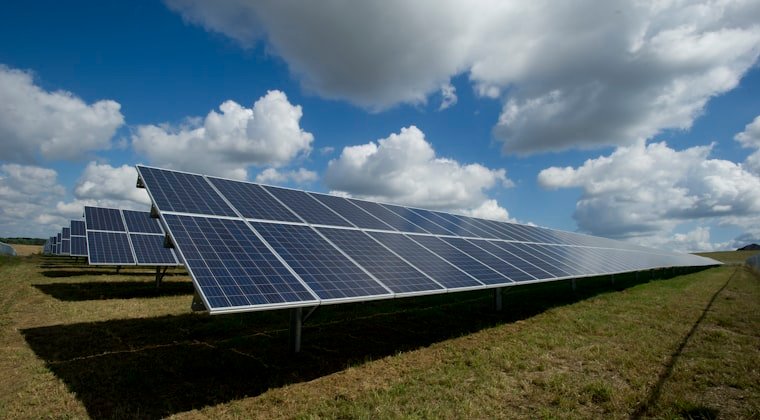
Rear gain possible5-15% extra
Premium over mono10-20%
Best forLight rooftops
Not suitableDark roof tiles
Needs clearance20-30cm gap
What bifacial panels actually are
Bifacial solar panels generate electricity from both sides: the front side captures direct sunlight, and the rear side captures light reflected from the rooftop surface (albedo). Standard monofacial panels only generate from the front. The additional rear-side generation can add 5 to 15 percent extra output depending on the rooftop surface below the panels.
The critical word is “depending.” The rear gain is not guaranteed. It only occurs when there is sufficient clearance between the panel and the roof (20 to 30 cm minimum), and when the rooftop surface reflects enough light. Light-coloured or white-painted rooftops give the best bifacial gain. Dark-coloured tiles or tar-coated rooftops give almost no rear gain.
When bifacial panels make sense in India
✅
White or light-coloured flat RCC rooftopThe most common Indian rooftop type. Albedo gain of 8 to 15% is achievable on white-painted flat rooftops with proper mounting clearance.
✅
Elevated mounting structures possibleIf your installer can mount panels 25 to 40 cm above the rooftop (elevated racking), bifacial performance improves significantly versus flush mounting.
✅
Commercial or large rooftop installationsHigher volume systems where 10% extra generation translates to meaningful additional revenue from net metering credits.
❌
Dark clay tile or mangalore tile rooftopLow albedo surface. Bifacial rear gain is negligible, making the premium unjustifiable.
❌
Flush-mounted installationsPanels mounted directly on rooftop without clearance cannot capture rear-side light. Standard monofacial is the right choice here.
❌
Budget-constrained installationsIf the 10 to 20% premium is a financial stretch, standard Mono PERC delivers excellent returns without the bifacial cost.
Bifacial vs monofacial: honest numbers for Indian rooftops
| Rooftop Type | Albedo | Bifacial Rear Gain | Verdict |
|---|---|---|---|
| White-painted flat RCC | High (0.6-0.8) | 10-15% | Bifacial justified |
| Light grey concrete | Medium (0.3-0.5) | 5-8% | Borderline |
| Unfinished grey concrete | Low-medium (0.2-0.4) | 3-6% | Marginal benefit |
| Red mangalore tiles | Low (0.1-0.2) | 1-3% | Not justified |
| Dark clay or tar-coated | Very low (0.05-0.1) | Near zero | Use monofacial |
💡
Before accepting a bifacial panel recommendation from an installer, ask them to specify the expected rear gain percentage for your specific rooftop. If they cannot give you a number based on your rooftop albedo, treat the bifacial recommendation with caution.
SolarSahi assessment · April 2026
Frequently asked questions
Do bifacial panels need special mounting hardware?
Yes. Bifacial panels require open-frame racking that allows light to reach the rear surface. Standard rooftop racking that covers the rear of the panel blocks the bifacial gain entirely. Open-bottom aluminium rails with sufficient clearance from the rooftop are standard for bifacial installations. This adds slightly to mounting cost.
Are bifacial panels ALMM-listed for PM Surya Ghar?
Some bifacial Mono PERC models from Indian manufacturers are on the ALMM list. Bifacial TOPCon models are fewer but growing. Always verify the specific bifacial model your installer quotes on the MNRE ALMM list before accepting the quote.
Can I paint my rooftop white to improve bifacial gain?
Yes. White roof painting (reflective roof coating) is a practical way to increase bifacial gain on Indian concrete rooftops. White elastomeric roof paint also reduces rooftop temperature which improves the temperature coefficient performance of panels. The combination of bifacial panels and white roof coating gives the best outcome on flat RCC rooftops.
What is the price difference between bifacial and standard panels?
Bifacial panels typically cost 10 to 20 percent more per watt than comparable monofacial panels of the same technology generation. For a 3 kW system, this translates to approximately Rs 8,000 to Rs 20,000 additional cost. Whether the extra generation over 25 years justifies this premium depends on your rooftop albedo.
Apni solar savings calculate karo
Free. Koi signup nahi. Real numbers.
Calculator kholo →