
Rooftop Solar in Prayagraj 2026: PuVVNL Process, Cost & Savings
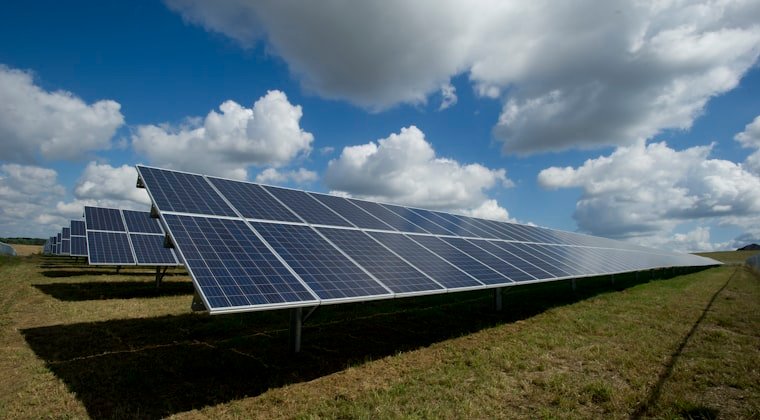
Prayagraj, the Sangam city, is one of eastern UP’s most significant solar markets, with 1,400+ new installations in March 2026 and accelerating growth. The combination of excellent solar irradiation (Prayagraj receives among the highest annual sun hours in UP, comparable to Agra), rising PuVVNL electricity tariffs, and UP’s combined Rs 1,08,000 subsidy has created strong financial momentum for solar adoption.
For Prayagraj homeowners, this guide covers everything practical: your DISCOM is PuVVNL (the same as Varanasi), the application process, what systems cost here, and what a typical Civil Lines or Naini household realistically saves after subsidy.
Understanding PuVVNL’s Role in Prayagraj Solar
PuVVNL, Purvanchal Vidyut Vitaran Nigam Limited, covers all of eastern Uttar Pradesh. In Prayagraj, PuVVNL operates through the Prayagraj circle, which handles solar applications from the city and surrounding Prayagraj district.
Being in the same PuVVNL zone as Varanasi means broadly similar administrative processes. Feasibility approval in Prayagraj typically takes 25-40 days, and net meter installation runs 10-20 days after commissioning. The Prayagraj circle has processed a growing number of solar applications through FY2026, building reasonable administrative familiarity with the process.
Prayagraj’s Solar Radiation Advantage
Prayagraj sits in a particularly sunny corridor of eastern UP. At 5.3-5.6 average peak sun hours daily, the city’s solar generation potential is among UP’s strongest:
| Month | Avg Daily Sun Hours | 3 kW Monthly Output |
|---|---|---|
| April | 6.0-6.5 | 430-460 units |
| May | 6.0-6.5 | 440-470 units |
| June | 5.5-6.0 | 400-430 units |
| July-Aug (monsoon) | 3.0-3.5 | 210-250 units |
| September-October | 5.5-6.0 | 400-430 units |
| November-February | 4.0-4.5 | 285-320 units |
| Annual average | 5.3-5.6 hours | 385-415 units/month |
At 4,600-5,000 annual units from a 3 kW system, Prayagraj homeowners get strong generation returns, more than many comparable cities.
Cost of Rooftop Solar in Prayagraj After Subsidy
| System Size | Pre-Subsidy | UP Subsidy | Net Cost |
|---|---|---|---|
| 2 kW | Rs 1,38,000-1,65,000 | Rs 90,000 | Rs 48,000-75,000 |
| 3 kW | Rs 1,83,000-2,15,000 | Rs 1,08,000 | Rs 75,000-1,07,000 |
| 5 kW | Rs 2,88,000-3,25,000 | Rs 1,08,000 | Rs 1,80,000-2,17,000 |
PuVVNL Application Process for Prayagraj
Step 1: Register at pmsuryaghar.gov.in: state: Uttar Pradesh, DISCOM: PuVVNL, consumer number from your bill.
Step 2: Submit application with system capacity and bank details.
Step 3: PuVVNL Prayagraj circle feasibility review: 25-40 days.
Step 4: Select UPNEDA-registered vendor from upnedasolarrooftopportal.com under Prayagraj district.
| Step 5 | Site survey and installation: typically 2-3 days for 3 kW. |
| Step 6 | Commissioning report uploaded by vendor. |
| Step 7 | PuVVNL inspection and net meter: 10-20 days. |
| Step 8 | Subsidy to your bank account within 30 days. |
Total timeline: 10-14 weeks.
Savings Scenario for a Prayagraj Household
Profile:3BHK in Civil Lines, Prayagraj. Monthly PuVVNL bill Rs 3,400 (approximately 420 units). 3 kW system at net cost Rs 95,000.
| Monthly generation average | 395-415 units |
| Monthly saving | Rs 2,800-3,000 |
| Annual saving | Rs 33,600-36,000 |
| Payback | approximately 2.8-3.1 years |
| 25-year return | Rs 8.4-9 lakh on Rs 95,000 |
Prayagraj-Specific Considerations
| Maha Kumbh infrastructure impact | Prayagraj undergoes significant infrastructure activity around major religious events. Ensure your solar installation timeline is not affected by grid work in your area by checking with your DISCOM before starting. |
| River proximity and humidity | Areas near the Sangam and Yamuna riverbank experience higher humidity in monsoon. This does not significantly affect panel performance but does mean the mounting structure’s corrosion resistance matters more. Specify hot-dip galvanised (HDG) mounting structures rather than standard MS structures. |
| Flood-prone zones | If you are in a low-lying area near the Ganga or Yamuna that experiences seasonal flooding, your ground inverter placement must be carefully considered. Wall-mounted or elevated inverter installations are advisable. |