
Rooftop Solar in Varanasi 2026: PuVVNL Guide, Cost & Savings
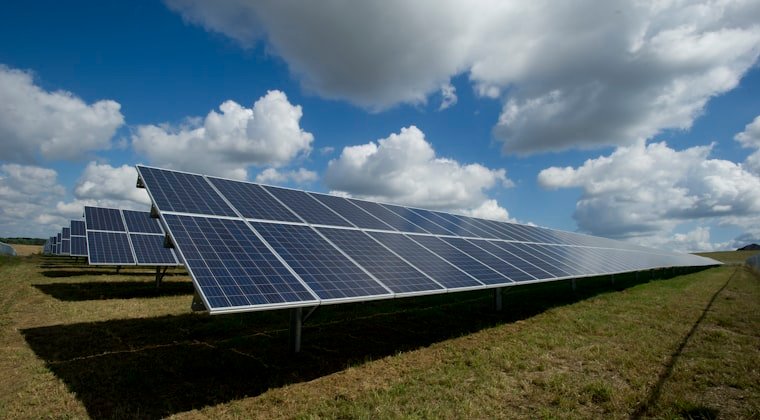
Varanasi is one of eastern UP’s fastest-growing solar markets. With 3,122 new rooftop systems installed in March 2026 alone, the city is accelerating well past the initial adopter phase. Varanasi homeowners have one of the strongest financial cases for solar in UP, the city receives excellent solar radiation of approximately 5.2-5.5 peak sun hours daily, electricity bills have risen sharply under PuVVNL’s tariff structure, and the combined central plus state subsidy of Rs 1,08,000 makes upfront costs manageable.
This guide is specific to Varanasi. It covers PuVVNL’s application process, what systems actually cost here, how to select from the city’s growing vendor list, and the savings a Varanasi household realistically achieves.
Your DISCOM Is PuVVNL: Everything You Need to Know
PuVVNL, Purvanchal Vidyut Vitaran Nigam Limited, is the electricity distribution company covering eastern Uttar Pradesh. Varanasi is the largest city in PuVVNL’s jurisdiction, which also covers Gorakhpur, Prayagraj, Azamgarh, Jaunpur, Chandauli, Mirzapur, and surrounding districts.
PuVVNL has been processing rooftop solar applications since the PM Surya Ghar scheme launched. Processing timelines are somewhat longer than Lucknow’s LESA, expect 25-40 days for feasibility approval and 10-20 days for net meter installation after commissioning. Total timeline for the full process in Varanasi runs approximately 10-14 weeks.
PuVVNL’s headquarters are in Varanasi, which means Varanasi city applications often get more direct administrative attention than smaller towns in the PuVVNL zone.
Solar Irradiation in Varanasi: Why Your System Performs Well Here
Varanasi’s geographic position in eastern UP gives it strong solar irradiation throughout most of the year:
| Season | Average Daily Peak Sun Hours | Monthly System Output (3 kW) |
|---|---|---|
| Summer (April-June) | 5.8-6.2 hours | 420-450 units |
| Post-monsoon (Sep-Oct) | 5.4-5.8 hours | 400-430 units |
| Winter (Nov-Feb) | 4.0-4.5 hours | 280-320 units |
| Monsoon (Jul-Aug) | 3.2-3.8 hours | 220-260 units |
| Annual average | 5.2-5.5 hours | 380-410 units per month |
At an annual average output of 4,500-5,000 units for a 3 kW system, Varanasi homeowners enjoy strong generation economics across most months.
Rooftop Solar Costs in Varanasi After Subsidy
| System Size | Before Subsidy | Total UP Subsidy | Your Net Cost |
|---|---|---|---|
| 2 kW | Rs 1,40,000-1,65,000 | Rs 90,000 | Rs 50,000-75,000 |
| 3 kW | Rs 1,85,000-2,15,000 | Rs 1,08,000 | Rs 77,000-1,07,000 |
| 5 kW | Rs 2,90,000-3,30,000 | Rs 1,08,000 | Rs 1,82,000-2,22,000 |
Varanasi costs are broadly similar to other tier-2 UP cities, with minor variation based on vendor competition and DISCOM charges. The city has seen a steady increase in registered vendors over the past 18 months, which has introduced some price competition and kept quotes competitive.
PuVVNL Application Process for Varanasi Homeowners
Step 1: Register on pmsuryaghar.gov.in
Select Uttar Pradesh as state and PuVVNL as your DISCOM. Enter your consumer number from your electricity bill exactly as printed.
Step 2: Submit application
Complete the online application with desired system capacity and bank account details. PuVVNL receives the application through the national portal.
Step 3: PuVVNL feasibility approval
PuVVNL checks local transformer capacity. Varanasi city applications typically take 25-40 days. Follow up directly with the PuVVNL divisional office or through your vendor if the timeline extends beyond 40 days.
Step 4: Select UPNEDA-registered vendor
Search for Varanasi district vendors at upnedasolarrooftopportal.com. The vendor list for Varanasi has grown significantly in FY2026. Compare 3 quotes minimum.
Step 5: Installation and commissioning
Installation typically takes 2-3 days for a 3 kW system. Vendor submits commissioning report to portal.
Step 6: PuVVNL inspection and net meter
PuVVNL schedules inspection and installs bi-directional meter within 10-25 days of commissioning report.
Step 7: Subsidy disbursement
Both subsidies credited to your bank account within 30 days of commissioning confirmation.
Savings Analysis for Varanasi Households
Scenario: 3BHK home in Sigra, monthly PuVVNL bill Rs 3,200 (approximately 400 units), 3 kW system at net cost Rs 95,000.
| Monthly solar generation (annual average) | 390-410 units |
| Monthly electricity saving | Rs 2,700-3,000 (at blended PuVVNL rate of approximately Rs 7/unit) |
| Annual saving | Rs 32,400-36,000 |
| Payback period | approximately 2.8-3.2 years |
| Lifetime savings (25 years) | Rs 8-9 lakh on a Rs 95,000 investment |
Varanasi-Specific Considerations
| Roof type and load capacity | Many older homes in Varanasi’s central areas have flat terraces built for traditional uses. The typical residential solar mounting adds 12-15 kg/sqm of load. Get a structural assessment for any home older than 20-25 years before finalising installation. |
| Tourism area restrictions | Certain heritage zones and areas near the Ghats may have municipal or ASI restrictions on rooftop modifications. Check with your local municipal authority if you are in a heritage-sensitive zone. |
| Dust and monsoon | The Varanasi riverbed creates dusty conditions during summer, particularly in May-June. Plan for monthly panel cleaning during peak season to maintain output within 5% of rated performance. |
| Peak summer use | Varanasi summers (45 degrees Celsius and above in May) mean high AC usage coinciding with peak solar generation. This natural alignment maximises self-consumption and minimises grid import, giving you the best financial return during the hottest months. |