
3kW Solar System Price in UP 2026: City-Wise Cost After Subsidy
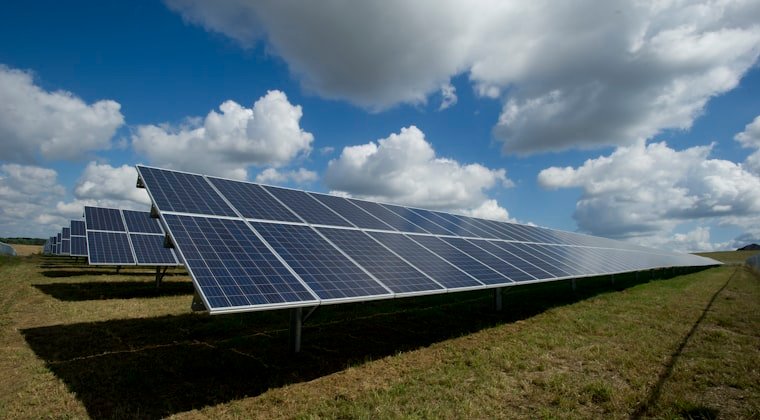
The 3 kW rooftop solar system is the most popular choice for Indian households, and for good reason. It generates 340-420 units per month depending on location, which covers consumption for most 2BHK and 3BHK homes in Uttar Pradesh. It also receives the maximum combined subsidy of Rs 1,08,000 (Rs 78,000 central plus Rs 30,000 from UP state), making it the financially optimal installation size for the vast majority of UP homeowners.
This guide gives you the exact price of a 3 kW system in each major UP city after all subsidies are applied, a breakdown of what you are paying for, and how to evaluate whether a quote is reasonable or inflated.
3kW Solar System: What Does It Include?
A 3 kW on-grid rooftop solar system consists of:
| Component | Specification | Approximate Cost Share |
|---|---|---|
| Solar panels (8-9 panels) | 330W-400W monocrystalline, Tier-1 brand | 35-40% of total |
| Grid-tied inverter | 3 kW single-phase, branded | 20-25% of total |
| Mounting structure | GI or MS galvanised, roof-specific | 10-15% of total |
| Wiring and conduit | DC cables, AC cables, earthing | 8-10% of total |
| Protection devices | DC isolator, AC isolator, lightning arrester | 3-5% of total |
| Installation labour | Experienced certified team | 8-12% of total |
| DISCOM charges | Net meter application, connection fees | 3-5% of total |
The total pre-subsidy cost for a 3 kW system in UP ranges from Rs 1,80,000 to Rs 2,15,000, depending on panel brand, inverter quality, and your city.
City-Wise 3kW Solar Price in UP After Rs 1,08,000 Subsidy (April 2026)
| City | Pre-Subsidy Range | Subsidy Applied | Post-Subsidy Range | DISCOM |
|---|---|---|---|---|
| Lucknow | Rs 1,80,000-2,05,000 | Rs 1,08,000 | Rs 72,000-97,000 | LESA |
| Kanpur | Rs 1,85,000-2,15,000 | Rs 1,08,000 | Rs 77,000-1,07,000 | KESCO |
| Varanasi | Rs 1,83,000-2,12,000 | Rs 1,08,000 | Rs 75,000-1,04,000 | PuVVNL |
| Agra | Rs 1,80,000-2,10,000 | Rs 1,08,000 | Rs 72,000-1,02,000 | DVVNL |
| Meerut | Rs 1,82,000-2,12,000 | Rs 1,08,000 | Rs 74,000-1,04,000 | PVVNL |
| Bareilly | Rs 1,78,000-2,05,000 | Rs 1,08,000 | Rs 70,000-97,000 | MVVNL |
| Prayagraj | Rs 1,83,000-2,12,000 | Rs 1,08,000 | Rs 75,000-1,04,000 | PuVVNL |
| Gorakhpur | Rs 1,82,000-2,10,000 | Rs 1,08,000 | Rs 74,000-1,02,000 | PuVVNL |
| Ghaziabad | Rs 1,92,000-2,25,000 | Rs 1,08,000 | Rs 84,000-1,17,000 | PVVNL |
| Noida | Rs 1,95,000-2,30,000 | Rs 1,08,000 | Rs 87,000-1,22,000 | PVVNL/NPCL |
| Jhansi | Rs 1,78,000-2,05,000 | Rs 1,08,000 | Rs 70,000-97,000 | DVVNL |
| Aligarh | Rs 1,80,000-2,08,000 | Rs 1,08,000 | Rs 72,000-1,00,000 | DVVNL |
| Moradabad | Rs 1,82,000-2,10,000 | Rs 1,08,000 | Rs 74,000-1,02,000 | PVVNL |
| Saharanpur | Rs 1,82,000-2,10,000 | Rs 1,08,000 | Rs 74,000-1,02,000 | PVVNL |
Key insight from this table: The cost variation between UP’s cheapest cities (Bareilly, Jhansi) and most expensive (Ghaziabad, Noida) is approximately Rs 20,000-30,000 for the same 3 kW system: a gap driven by NCR proximity, DISCOM charges, and labour costs. The subsidy is identical across all cities at Rs 1,08,000.
What a Rs 80,000 Quote vs Rs 1,10,000 Quote Actually Means
For a 3 kW system in Lucknow, you might receive quotes ranging from Rs 78,000 to Rs 1,10,000 post-subsidy. This Rs 32,000 gap is real and reflects genuine differences in what you are getting.
What typically explains a lower quote:
- Budget-brand or lesser-known panel manufacturer (not always bad, but check ALMM certification)
- Unbranded or low-end inverter without reliable service network
- Thinner mounting structure using standard MS rather than hot-dip galvanised steel
- Shorter workmanship warranty (1 year vs 5 years)
- No or minimal AMC (annual maintenance contract) included
- Higher risk of missing UPNEDA registration
What a premium quote typically adds:
- Tier-1 panel brand (Waaree, Vikram Solar, Adani Solar, Tata Power Solar)
- Branded inverter with India service network (Havells, SMA, Delta, Growatt, Solis)
- HDG mounting structure for longer corrosion resistance
- 5+ year workmanship warranty
- 5-year AMC included or offered
- Proven UPNEDA track record for subsidy processing
The correct way to evaluate quotes is not on total price but on price per watt of panel capacity and the specifications behind that price. Ask for itemised quotes showing unit costs for panels, inverter, structure, and installation separately.
What Monthly Generation and Savings Look Like for a 3kW System
A 3 kW system generates differently across UP cities due to varying solar irradiation levels:
| City | Annual Peak Sun Hours | Annual 3kW Output | Monthly Average | Annual Electricity Saving |
|---|---|---|---|---|
| Agra | 5.5 hours | 5,000-5,200 units | 415-430 units | Rs 35,000-36,400 |
| Jhansi | 5.4 hours | 4,900-5,100 units | 408-425 units | Rs 34,300-35,700 |
| Prayagraj | 5.4 hours | 4,900-5,100 units | 408-425 units | Rs 34,300-35,700 |
| Varanasi | 5.3 hours | 4,800-5,000 units | 400-415 units | Rs 33,600-34,300 |
| Lucknow | 5.1 hours | 4,600-4,800 units | 383-400 units | Rs 32,200-33,600 |
| Bareilly | 5.0 hours | 4,500-4,700 units | 375-392 units | Rs 31,500-32,900 |
Savings calculated at an average blended tariff of Rs 7/unit. Your actual saving may be higher if you consume more in upper tariff slabs.
Payback Period for 3kW System Across UP Cities
| City | Post-Subsidy Cost | Annual Saving | Payback Period |
|---|---|---|---|
| Lucknow | Rs 85,000 | Rs 32,900 | 2.6 years |
| Agra | Rs 87,000 | Rs 35,700 | 2.4 years |
| Kanpur | Rs 92,000 | Rs 33,600 | 2.7 years |
| Meerut | Rs 89,000 | Rs 32,200 | 2.8 years |
| Ghaziabad | Rs 1,00,000 | Rs 32,200 | 3.1 years |
These are among the fastest payback periods for any home investment in India. After payback, you generate approximately Rs 32,000-36,000 worth of electricity annually from a paid-off asset for 20+ more years.
How to Verify Your Quote Is Reasonable
Three quick checks before accepting any vendor quote:
1. Calculate cost per watt: Divide the pre-subsidy total by 3,000W. A reasonable range in UP today is Rs 60-72 per watt. Above Rs 72/watt means the quote has excessive margin. Below Rs 55/watt should prompt careful scrutiny of component quality.
2. Check DISCOM charges: DISCOM charges for net meter application, connection modification, and metering typically range from Rs 5,000-15,000 in UP. If these are not itemised in your quote, ask for them specifically.
3. Verify equipment on MNRE’s ALMM list: Ask the vendor for the panel brand’s ALMM certificate number. You can verify this on the MNRE website. Only ALMM-listed panels qualify for PM Surya Ghar subsidy. Verify at mnre.gov.in.
Financing a 3kW System in UP
At a post-subsidy cost of Rs 72,000-1,17,000 in UP cities, the 3 kW system is accessible via multiple financing routes:
- SBI Solar Loan at approximately 7-8%: EMI of Rs 1,400-2,000/month for 5-year tenure
- PNB Solar Loan with direct subsidy integration
- UP Gramin Bank through the new Tata Power MoU: loans up to Rs 2 lakh for 3 kW and below
Even with an EMI, most UP homeowners are net positive from month one: their EMI is lower than the electricity bill they are no longer paying.