
Rooftop Solar in Agra 2026: DVVNL Guide, Cost and Subsidy
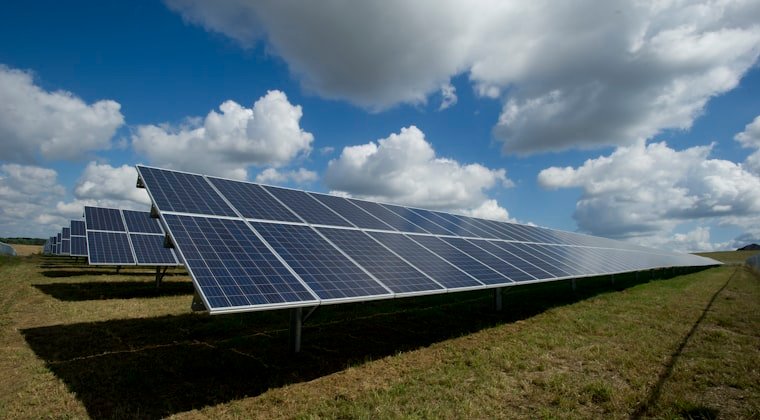
Agra has a solar advantage that most homeowners have not fully calculated: the city receives some of the highest solar radiation levels in all of Uttar Pradesh. At 5.4-5.8 peak sun hours daily on average, higher than Lucknow (5.1) and Varanasi (5.2), an Agra rooftop generates more electricity from the same panel capacity than most other UP cities.
Combined with UP’s combined subsidy of Rs 1,08,000 for a 3 kW system and a DISCOM (DVVNL) that covers southern UP’s large residential base, going solar in Agra in 2026 makes strong financial sense for most households. This guide covers the DVVNL application process, real costs, and what Agra homeowners actually save.
Your DISCOM Is DVVNL: Understanding Your Electricity Provider
DVVNL, Dakshinanchal Vidyut Vitaran Nigam Limited, covers southern Uttar Pradesh including Agra, Aligarh, Mathura, Firozabad, Hathras, Etah, Mainpuri, Jhansi, Jalaun, Lalitpur, and surrounding districts.
DVVNL’s Agra circle handles solar applications from Agra city and Agra district rural areas. Processing timelines in Agra city: approximately 25-35 days for feasibility approval, 10-20 days for net meter installation. Total process timeline in Agra: approximately 10-14 weeks.
One important distinction for Agra: if you are in Agra city under a private DISCOM concession area (some specific areas of Agra have had experimental private distribution), confirm your exact provider on your bill. Most of Agra city falls under DVVNL directly.
Agra’s Solar Advantage: More Generation From the Same System
Agra’s high solar radiation is a genuine financial advantage that directly affects your return on investment.
| City | Annual Average Peak Sun Hours | Annual Output (3 kW system) |
|---|---|---|
| Agra | 5.4-5.8 hours | 4,800-5,200 units |
| Lucknow | 5.0-5.2 hours | 4,500-4,700 units |
| Varanasi | 5.2-5.5 hours | 4,600-5,000 units |
| Bareilly | 5.0-5.2 hours | 4,400-4,700 units |
A 3 kW system in Agra generates approximately 300-500 more units annually than the same system in Bareilly or Lucknow. At Rs 7/unit, that is Rs 2,100-3,500 in additional annual savings: essentially free extra return from geography.
What Rooftop Solar Costs in Agra After Subsidy
| System Size | Before Subsidy | UP Combined Subsidy | Your Net Cost |
|---|---|---|---|
| 2 kW | Rs 1,35,000-1,60,000 | Rs 90,000 | Rs 45,000-70,000 |
| 3 kW | Rs 1,80,000-2,10,000 | Rs 1,08,000 | Rs 72,000-1,02,000 |
| 5 kW | Rs 2,85,000-3,20,000 | Rs 1,08,000 | Rs 1,77,000-2,12,000 |
DVVNL Application Process for Agra Homeowners
Step 1: Register at pmsuryaghar.gov.in with Uttar Pradesh as state and DVVNL as DISCOM. Your consumer number is on your DVVNL electricity bill.
Step 2: Submit rooftop solar application online with system size and bank details.
Step 3: DVVNL feasibility approval: 25-35 days for Agra city.
Step 4: Select UPNEDA-registered vendor at upnedasolarrooftopportal.com under Agra district. Compare at least 3 quotes.
| Step 5 | Installation: 2-3 days for a 3 kW system. |
| Step 6 | Commissioning report by vendor submitted to portal. |
| Step 7 | DVVNL inspection and net meter: 10-20 days after commissioning. |
| Step 8 | Subsidy disbursement: Rs 1,08,000 to bank account within 30 days. |
Total timeline: approximately 10-14 weeks.
Savings for an Agra Household
Scenario: 3BHK in Shahganj, monthly DVVNL bill Rs 3,000 (approximately 370 units), 3 kW system at net cost Rs 90,000.
| Monthly generation (Agra annual average) | 400-430 units |
| Monthly savings | Rs 2,800-3,000 at DVVNL residential tariff |
| Annual savings | Rs 33,600-36,000 |
| Payback | approximately 2.7-3 years: faster than most UP cities due to higher sun hours |
| 25-year savings value | Rs 8.4-9 lakh on Rs 90,000 investment |
Agra-Specific Considerations
| Dust from the Yamuna plain | Agra’s location near the Yamuna and its surrounding plain creates significant dust during the pre-monsoon months (April-June) and dust storm events. Plan for fortnightly panel cleaning during this period to maintain generation within 5% of optimal. |
| Heritage zone restrictions | Properties in the notified heritage buffer zone around the Taj Mahal and other ASI monuments may face restrictions on visible rooftop installations. Check with the Agra Development Authority before proceeding if you are in or near a heritage zone. |
| Summer tourism season | April-June in Agra is both peak solar generation and peak tourism season. Hotels and guesthouses in the city increasingly find solar particularly attractive for managing high AC loads during this period. |
| Marble and stone roof structures | Some older Agra properties have traditional roof structures not built for standard solar mounting loads. Request a structural assessment as part of your vendor site survey before finalising. |